ABA Intervention

Social Skills Support
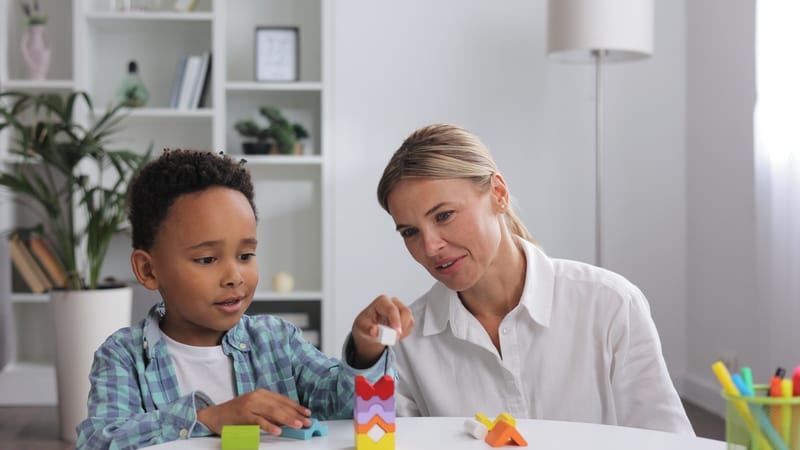
FRIENDS ABA provides social skills support to children with autism spectrum disorder and other developmental disabilities. The program focuses on improving each child’s ability to: Recognize and interpret verbal and non-verbal communication. Develop and maintain appropriate peer relationships. Improve social interactions by expanding interests in age-appropriate topics, toys, and activities. Develop appropriate play skills, including interactive, independent, pretend, and computer-based play. Increase participation in socially appropriate activities and interactions with peers, caregivers, and others.
Behavior Intervention Plans
Behavior Intervention Plans (BIPs) are developed based on information obtained through a Functional Behavior Assessment (FBA). BIPs are individualized strategies designed to increase the acquisition and use of appropriate alternative skills, reduce the occurrence of challenging or problem behaviors, and promote meaningful improvements in the individual’s overall quality of life. The goal of a BIP is to support the individual in developing functional, socially appropriate behaviors while providing caregivers, family members, and support team members with consistent strategies to promote skill development, independence, and successful participation across environments.

Verbal Behavior Therapy
Verbal Behavior Therapy (VBT) teaches communication and language skills using the principles of Applied Behavior Analysis (ABA) and concepts derived from the work of behaviorist B.F. Skinner. The approach focuses on understanding the function of language—specifically, why we communicate and how words are used to achieve different purposes. Verbal Behavior Therapy emphasizes the development of functional communication across four primary verbal operants: Mand: Communication used to request items, activities, information, or assistance. Tact: Communication used to label, describe, or identify objects, actions, events, or experiences. Intraverbal: Responding to the language of others, such as answering questions, completing statements, or engaging in conversation. Echoic: Repeating or imitating sounds, words, or phrases spoken by another person. The goal of VBT is to increase functional and meaningful communication while helping individuals use language effectively across people, settings, and everyday situations.